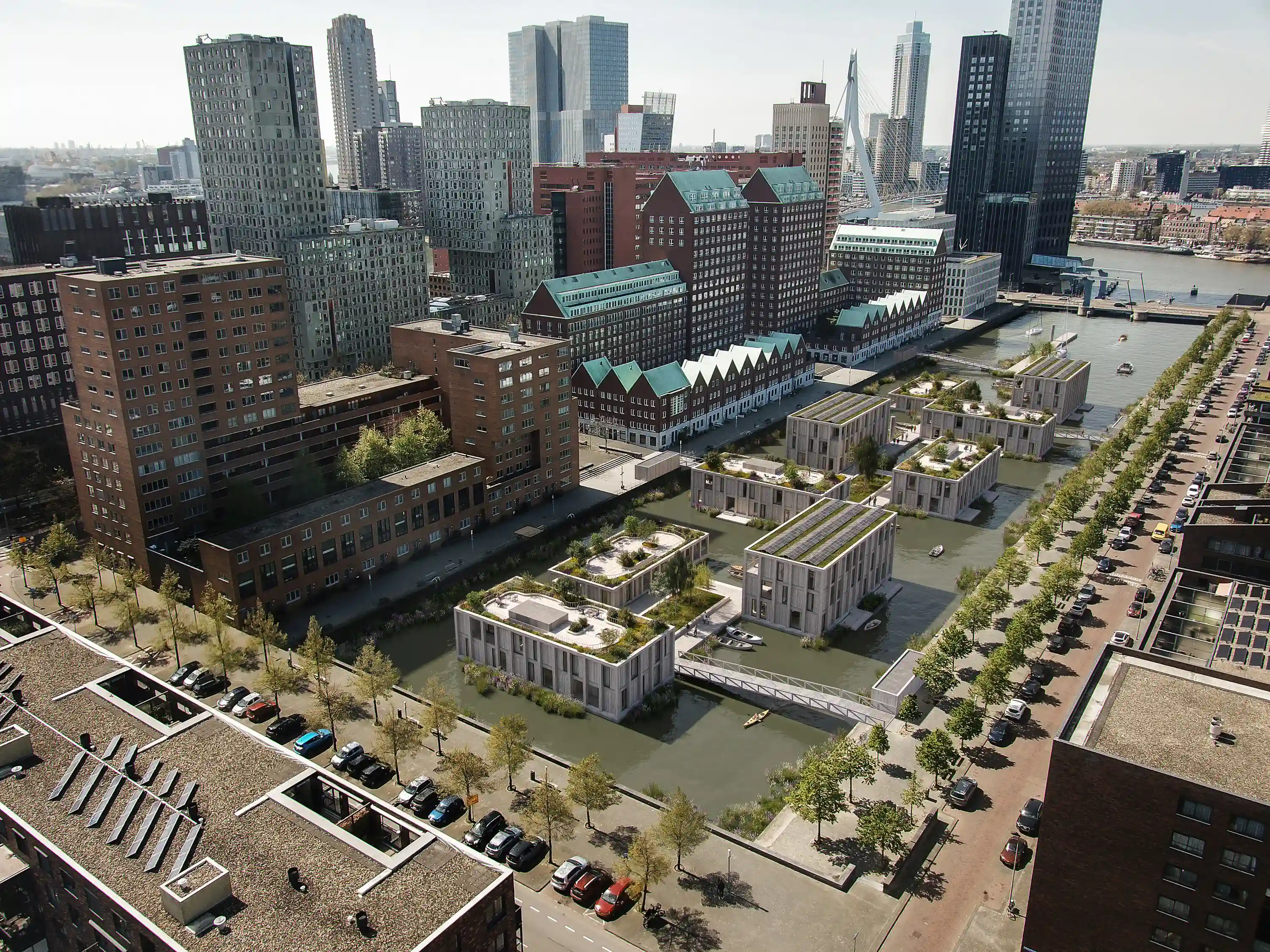

A floating community at the heart of Rotterdam
Location
Spoorweghaven, Rotterdam
Role
Architect, Masterplan
Services
Architecture, Landscape Design, Masterplanning, Sustainability Strategy
Size
Over 6000m2 of apartments and floating public spaces
Timeline
2024 - ongoing

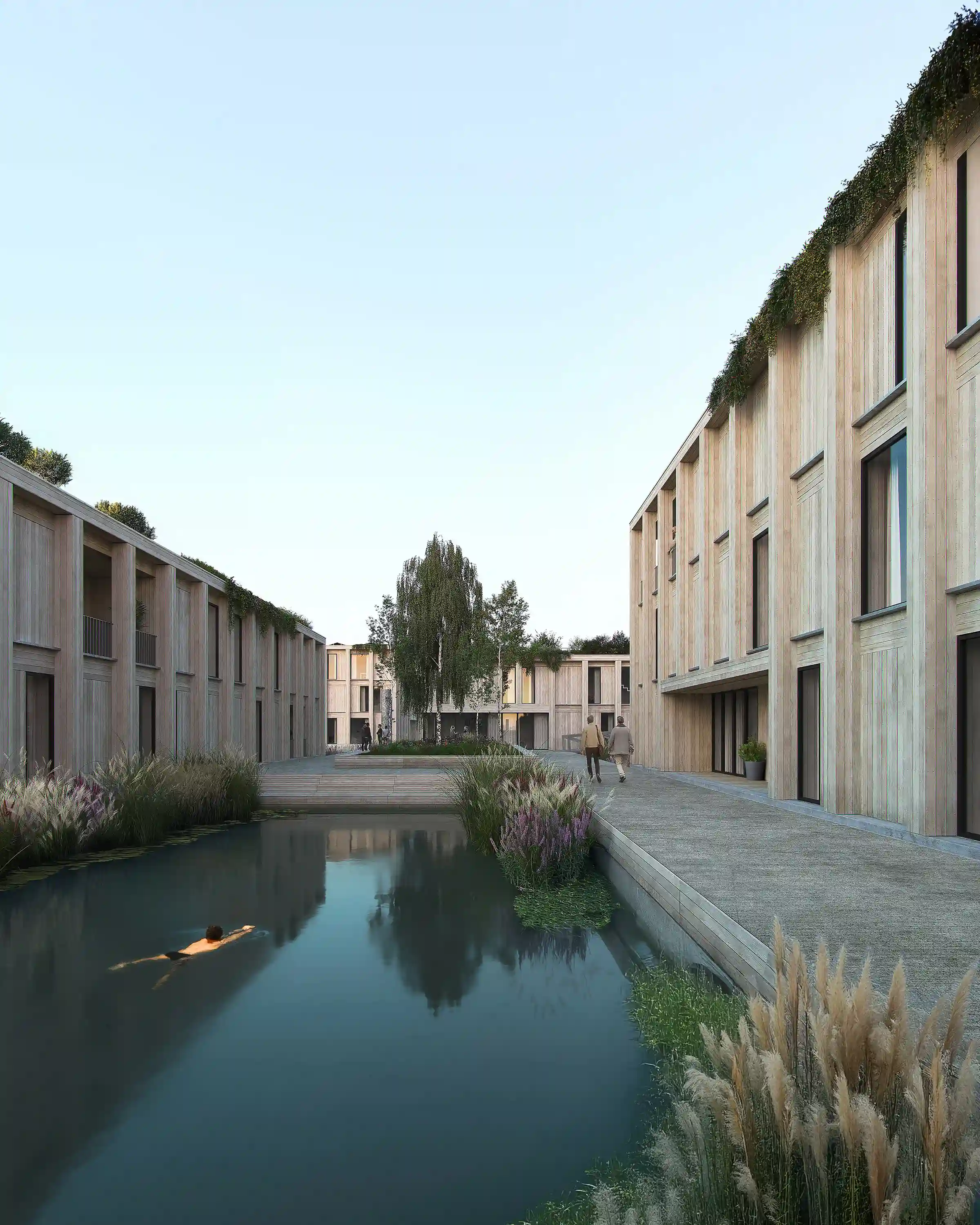
MAST developed the proposal which includes over 100 low cost apartments, commercial spaces and a new recreational harbour The development would be the largest new floating community in Europe and would represent a radical new approach to low cost housing.
The Netherlands currently faces a serious housing shortage and is struggling to meet its plans to build 1 million new dwellings by 2030, largely due to a lack of buildable land. Floating communities like this could provide a significant boost in this effort in a country dominated by underutilised waterways. These floating communities could also provide a far more sustainable alternative to large land reclamation projects which are underway around the globe.
Floating public walkways and green spaces provide new flexible spaces for residents in the new apartments and the surrounding area. Rooftop terraces and roof gardens also provide more private outdoor spaces for residents at the same time as preserving the view from surrounding apartments.
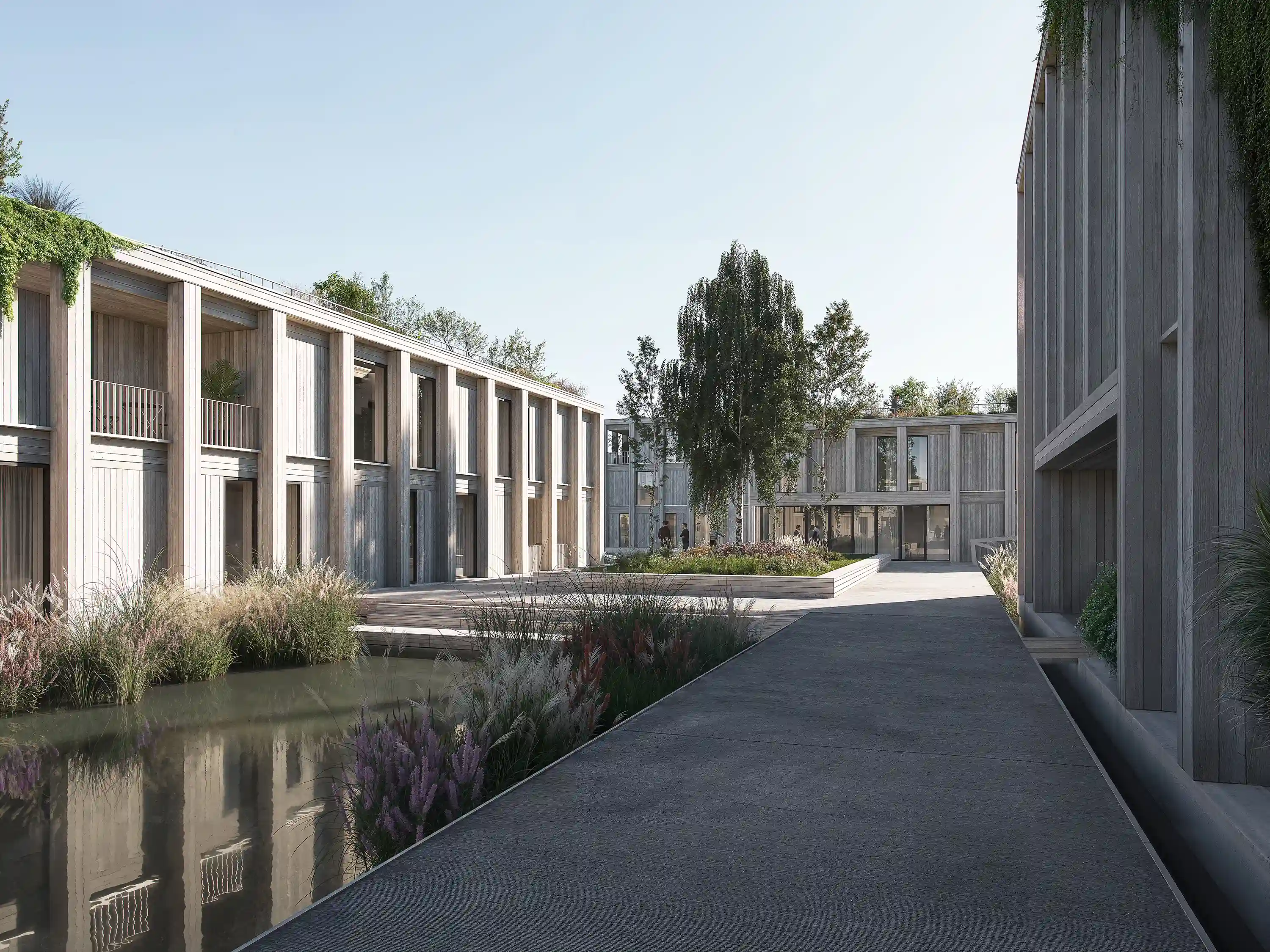
The floating buildings would be constructed off site from CLT and towed into the dock for a short installation period. This would mean minimal impact on the community and a more efficient build process in a working dock outside of the city centre. It also permits the buildings to be repurposed on another site at the duration of a long term lease. This opportunity, to move buildings rather than demolish them when they cease to make financial sense in a given location, could dramatically increase the life span of floating buildings and give them a significant edge in sustainability over traditional apartment buildings.

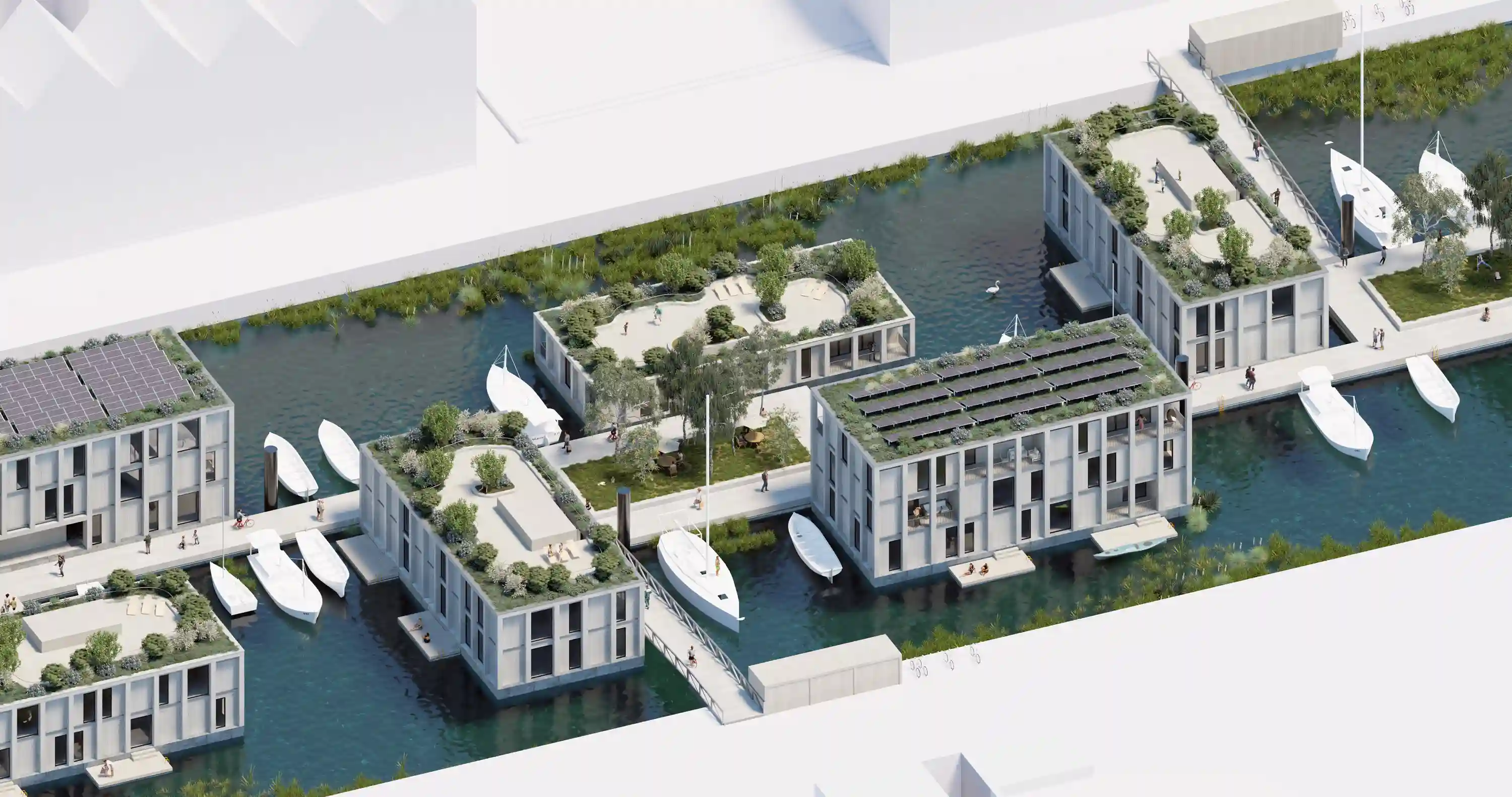

In order to improve the water quality in the harbour MAST worked with Scottish company Biomatrix to incorporate over 900m2 of floating reed beds around the perimeter of the site. Reedbeds like these have been installed in cities across Europe where they have been effective at reducing nutrients in water and providing habitat for waterbirds and fish.